Google
 
Showing posts with label saffron. Show all posts

May 2, 2015

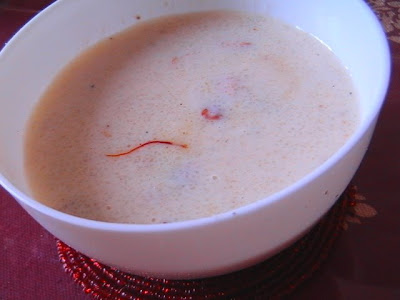
Pal Poli to celebrate 8 years


8 years ago, today, I sat at the computer and toyed with the idea of starting another blog. I loved cooking and I enjoyed writing. I wasn't quite sure of my reasons. But I was addicted to reading food blogs at the time. And I felt that, given how varied my cooking was, and how much friends enjoyed my food, people would enjoy the blog too. And they did. 

Over the years, I've gotten busier with other things. And this blog, like the other, got neglected. I've been cooking a lot. And I've been cooking newer things too. And most of the time I do remember to take pictures. But I find that it is the sitting myself down in front of a computer and typing out these stories that I am unable to do.

Can I find a list of excuses? My laptop conked out. The computer is in my son's room and I can't go in there when I'm done for the day because he's sleeping there. My photographs aren't good enough. And I can find many more such. But I suppose where there's a will, there should be a way. Just that in my case, there seems to be a won't. This blog has seen fewer posts in the last two years than it did on that one day in July 2007. How is that for statistics?

In the last one year, I've cooked and baked with my son, who seems to enjoy cooking more than eating. I wanted to see if there was truth in the fact that when children help make something, they are more eager to try it. I think there is some truth to this. But the day I decide that it should probably work is most likely the day that it doesn't. 

However, in all this time that I haven't blogged, I have actually used this blog for its original intended purpose: my personal recipe book. I've gone back countless number of times to check if I have the ingredients right, if I'm missing a step. And often, reading the recipes and the stories behind them makes me nostalgic. I was feeling especially nostalgic one day and thought about the Pal Poli that Amma used to make. For a week, I made it in my head, over and over. It was so simple. And I could almost taste it. Finally, about 3 weeks after I'd made it 12 times a day in my head and I was just dying to taste it, I actually made it.


For the Poli:

1 cup Maida
2 tbsp Semolina
1 tsp Ghee
A pinch of Salt
Oil for frying

Mix the ingredients except the oil into a hard dough using as little water as necessary. Divide the dough into 24 pieces. Roll them out using a little bit of oil into 4-6 inch discs. Keep these covered with a cloth until all the pieces have been rolled out.

Heat the oil and drop the rolled out polis into the oil. Deep fry them like pooris.

For the Masala Milk:

1 Litre (4 cups) Milk
1 400g tin Sweetened Condensed Milk (I used Milkmaid)
A pinch Saffron
1/4 tsp Cardamom, powdered
1 tbsp Milk Masala Powder (I used Everest)

Bring the milk to a slow boil and add the condensed milk, stirring all the while to make sure the condensed milk doesn't stick to the bottom of the vessel. Add the saffron, cardamom and the Milk Masala powder.

Arrange the polis in a dish and pour the masala milk over them. Let the polis soak in the milk.


Enjoy this dish warm or chilled. I was surprised at how easy this dish actually was and it got me thinking about the mental fatigue I seem to associate with so many of my childhood favourites.

I make no promises of what the 9th year holds for The Singing Chef. I shall endeavour to come here as often as I can and blog as much as I can. But for the time being, to those of you who have always been there for me, I want to share a little piece of sweetness, a little piece of my childhood, and say thank you for helping The Singing Chef become what it has. Thank you for being an integral part of my life. 


August 13, 2012

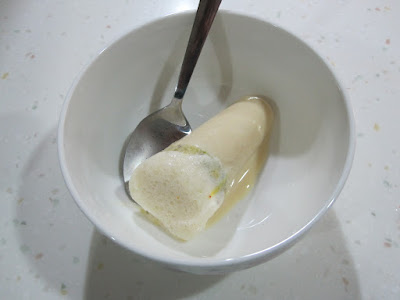
Kesar Pista Kulfi


A couple of weekends ago, we visited a friend for a potluck dinner. I had made a lot of Bisi Bele Huli Anna and my friend decided to make some curd rice. She had also made some very nice sabudana tikkis as a starter. And just when we thought we could eat no more, she brought out some kulfi.


The kulfi tasted so good that I had to try it out at home. The recipe is so simple, it is almost as if there is nothing to it. Also, my traditional way of making kulfi involves boiling the milk with condensed milk. This method involves no cooking. I blended all the ingredients in a blender, but I think I should use a hand whisk the next time. The blending left some froth on the top of my kulfis.


1 can Evaporated Milk
1 can (400g) Sweetened Condensed Milk
1 tin (170g) Cream


For the topping, grind together:

1 tbsp Pistachios
1 tbsp Almonds
a pinch Saffron
1/4 tsp Cardamom


Mix the evaporated milk, condensed milk and cream. Whisk together until well blended. Add the topping and mix again. Fill the kulfi moulds with this mixture and freeze until set. When set, dip the moulds in warm water, unscrew and hold over a plate. The kulfi slides out effortlessly.


This is a keeper recipe for me even if everything came out of a can!

December 28, 2009

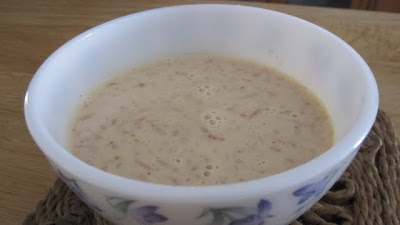
Carrot Kheer


Carrots. I can't seem to get enough of them ever. Especially the lovely red carrots that make an appearance at this time of the year. I tend to put them in everything from salads to pulaos to casseroles to cakes and desserts. I had eaten carrot kheer only once. A classmate of mine invited me to her place for lunch almost a decade ago, and she served this for dessert. Ever since, I've wanted to make it. But considering I'm not the biggest fan of kheer, this always took a backseat. Last weekend, I wanted to make something for dessert after lunch and I made this. We enjoyed this for a couple of days and I'm actually itching to make it again.


2 cups Carrot, grated

1/2 can Sweetened Condensed Milk (Milkmaid/Mithai Mate)

2-3 cups Milk

a pinch Saffron, dissolved in some milk

1/4 tsp Cardamom Powder

1 tbsp Kesari Milk Masala


Microwave the grated carrots (with a little water) on high for 2-3 minutes.


Bring the milk to a boil in a large vessel and add the condensed milk to it. Keep stirring until the mixture is even (else you'll have burnt condensed milk). Add the grated carrots and the saffron paste and simmer the mixture for about 10-15 minutes. It will begin to thicken nicely. Add the milk masala powder and take off the flame after a couple of minutes.


While you could enjoy it warm, I found that it tastes best the next day after it has sat for a night in the fridge. The colour seems to intensify and the flavours are just so... well, why should I tell you. You should try for yourself.


Off this goes to the JFI: Saffron event being hosted by my erstwhile fellow marathoner, DK.

May 21, 2009

Rava Payasam


I'm not the biggest payasam fan to walk the face of the earth. I like some varieties, I avoid the rest like the plague. Well almost. I guess after two years of telling all of you what a good child I've always been, it is difficult to make you believe that I can avoid any kind of food.


After semia payasam and badam kheer, this is my favourite milk payasam. I do like a few of the coconut milk varieties.


1/4 cup Cream of Wheat (Rava/Sooji/Semolina)

1/2 can (200g) Sweetened Condensed Milk (Milkmaid/Mithai Mate)

1/2 litre Milk

½ tbsp Clarified Butter (Ghee)

½ tsp Cardamom Powder

a pinch Saffron, dissolved in some milk


For the garnish

1 tbsp Ghee

2 tsp Raisins

2 tsp Cashews


Heat the ghee in a vessel and roast the semolina for 4-5 minutes. Add enough water to cover the semolina and cover the vessel. Cook for about 5 minutes. Add the milk and the condensed milk to this. Keep stirring until the mixture is even (else you'll have burnt condensed milk) and bring to a boil. Add the cardamom powder and saffron mixture. Simmer the mixture for about 10-15 minutes.


For the garnish, heat the ghee in a frying ladle. Add the cashews. When the cashews turn golden, add the raisins. When the raisins become plump, pour the contents of the ladle into the simmering mixture.


This can be had hot or cold. When kept in the fridge, this payasam takes on a creamy, pudding like texture. This is really like best had when cold. If you're fond of puddings, that is.

January 14, 2009

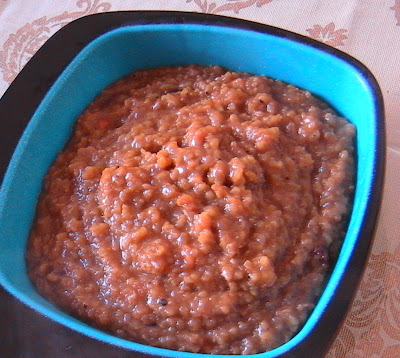
Sakkara Pongal


The harvest festival, Pongal, is here. And I took the day off and cooked. I would normally put such stuff beyond me, but S had the day off. I requested the day off and since it was granted, I decided to make the most of it. Deepavali is my favourite festival, but Amma tells me that Pongal/Sankranti was really the most important festival. Considering we've been in the city for about 4-5 generations, I probably haven't made that all important connection with my agrarian ancestors. So, as with many other festivals, for me, this one, too, is about food.


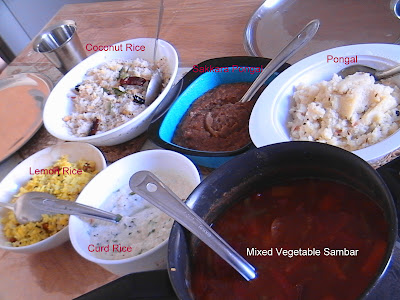
A meal on Bhogi is the typical "pandigai saapadu". On Pongal day, Amma says the grinder is to be given some rest. So, our meal is mainly pongal. In different avatars of course. The basic rice and moong dal combination is used to prepare Coconut Rice, Lemon Rice, Curd Rice and Sakkara Pongal. And since it is the harvest festival, we have a sambar made with just about every vegetable. On Kaanum Pongal, the day after Pongal, we usually have Coconut Rice, Tamarind Rice and Avial.


Sakkara Pongal is the highlight of the Pongal lunch. I almost stopped eating Sakkara Pongal years ago when the mothers of two friends (both Palghat Iyers) gave me Sakkara Pongal with chopped jackfruit in it. This happened on two consecutive days. That killed both flavours at once for me. I have not been able to eat jackfruit since. Sakkara Pongal I have managed to start eating (once a year). Very soon I might get around to liking it again.


1/4 cup Rice

2 tbsp Moong Dal

1/4 cup Jaggery

1/4 tsp Cardamom Powder

1/4 cup Milk

a few strands Saffron

1 tsp Coconut, scraped

1 tbsp Ghee

2 tsp Cashews

2 tsp Raisins


Pressure cook the rice and the moong dal with 1 cup of water. Mash well. Dissolve the saffron in the milk and add this to the rice. Mix well.


Dissolve the jaggery in a little water and heat it until the jaggery dissolves completely. Strain this and bring the mixture to a boil. (It should come close to a one thread consistency.) Add the cardamom powder and the coconut. Stir in the rice-dal mixture.


In a frying ladle, heat the ghee. Add the cashews and the raisins. When the cashews turn golden, add the contents of the ladle to the pongal. Cook for a couple of minutes. The sakkara pongal is ready.


This was what our Pongal lunch looked like last year. Nothing really changed except the dining table itself. For two years in a row, I have managed to cook up the exact same meal that I ate year afyer year. (The only dish that I didn't make was Karnakizhangu Mashiyal. And that was only because I couldn't find the vegetable. I will post that soon. It is languishing in my drafts.) I must say I am proud of myself. The picture of this table full of food tells me that I did complete justice to my day off.


Happy Pongal/Sankranti to all of you. May you harvest every happiness this year.

October 18, 2007

Badam Kheer


I am not a kheer/payasam person. Whichever way you look at me. But there are a few that I love. Vermicelli and Cream of Wheat (Rava/Sooji) I can relish. The rice, sago and other varieties I really don't care much for. I have never made them and would jump at the idea of eating it should someone offer it to me. I do have a liking for the amchi kheers like Madgane, but I hardly ever make the stuff.


Having said all this, I must admit that there is one beauty that never fails to make me go weak at the knees. I love it so much that I can have it everyday (like that's going to happen!). I even had it served at my wedding as one of the desserts for the muhurtam lunch. (Yes, I had a traditional banana leaf lunch and a traditional banana leaf reception dinner too!) The first time I had this was many years ago. My parents had returned after Appa's brief stint in Eindhoven, Holland and we suddenly had more almonds than we could use. After S and I got married, we somehow never had almonds at home. About 6 months ago, we got a packet of almond slivers from my cousin in Canada. And recently, I decided to buy a packet. And the very next day, I made badam kheer.


1/4 cup Almonds, soaked overnight and peeled
1 tbsp Cashews, soaked overnight
1/2 can Sweetened Condensed Milk (Milkmaid/Mithai Mate)
4-5 cups Milk (I used a litre)
1 tbsp Clarified Butter (Ghee)
2 tsp Raisins
2 tsp Cashews
a pinch Saffron, dissolved in some milk

To garnish (Optional):
Almond Slivers
A few saffron strands


Grind the soaked almonds and cashews to a fine paste adding a little milk.

Bring the milk to a boil in a large vessel and add the condensed milk to it. Keep stirring until the mixture is even (else you'll have burnt condensed milk). Add the cashew-almond paste and the saffron paste and simmer the mixture for about 10-15 minutes. It will begin to thicken nicely.

In a small frying ladle, heat the clarified butter and add the raisins and cashews and fry for a minute or two. Add to the milk mixture.

Garnish with the almond slivers and the saffron strands, if using.


As we complete 13 months of marriage today, I send my favourite kheer to Sunita for her Think Spice... Think Saffron event.

My last post was about how I've been inspired. Now I'd like to introduce someone who has been inspired by me and my blog. My friend and neighbour, S, has just started her own food blog. Please visit http://thedreamingcook.blogspot.com/ and give her the encouragement she needs.

I'm off to the Himalayas again for a weekend of treks and white water rafting. I'll see you all when I get back. Have a happy Dassara.